This Content is written by Human, not AI robot. Learn More
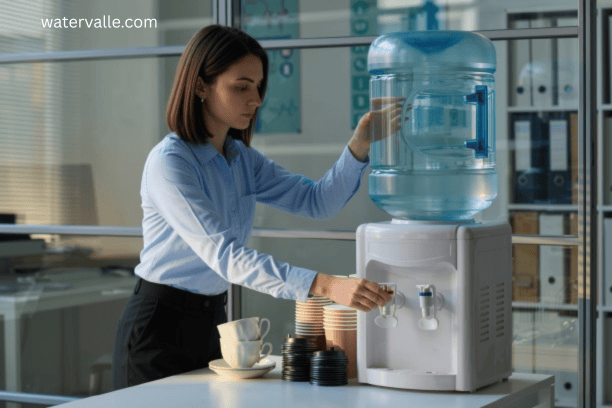
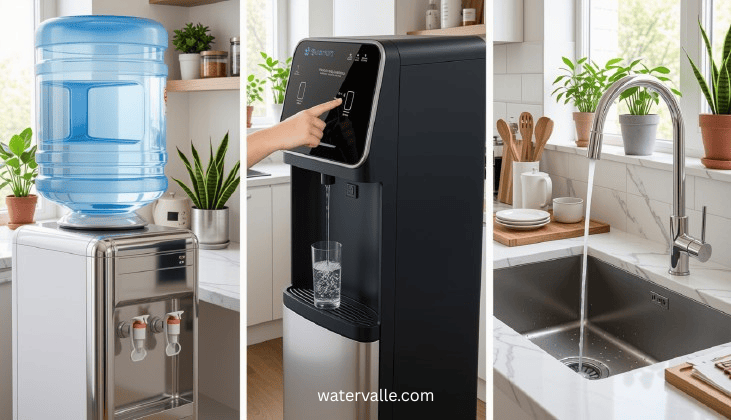
A bottled water dispenser is either a stand-alone or countertop unit that houses a 3- or 5-gallon bottle. The bottles release hot, cold, or even room-temperature water upon demand. There is no plumbing connection, and there’s no need to wait for the kettle to heat up — all you need is a spigot or push-button tap.
It’s the reason this category can be confusing to choose from. Visit any appliance department where you’ll see top-load as well as bottom-load models, thermoelectric as well as compressor cooling models, as well as countertop as well as freestanding versions, priced in the range of $40-$700. The majority of confusion boils from one simple issue: what is the most important thing to you in the way you use it from day to day?
The bottled water dispenser are also among a few kitchen appliances in which the least expensive alternative and the highest-priced choice actually serve different individuals effectively. It’s not just a matter of “spend more, get better.” One-bedroom apartments share almost nothing in terms of needs, compared to an office manager putting together the break room with 30 employees regardless of purchasing the same type of item.
The guide explains how the bottled water dispenser functions, what kind of unit is best for which office or household, as well as the cost to operate, and how to ensure that they remain clean over the course of many years of use.
Who Actually Needs Bottled Water Dispenser?
The Bottled water dispenser can make the most sense in a couple of specific scenarios:
- Renters who aren’t allowed to alter plumbing in order to install a filtering tap
- Offices that require shared hot or cold access, but do not have a water line
- Households who already buy the water in bottles that want to make it easier than shopping
- Homes with low-quality water that require a full filtering system aren’t an ideal method
If you are using an under-sink filter or a good Refrigerator water filter, adding a bottled water dispenser is not necessary, as it addresses the issue of access, but it’s not an issue with water quality. Keep that in mind when you purchase one.
How a Bottled Water Dispenser Works ?
The principles are simple for bottled water dispensers; however, the distinction between models with top-load and bottom-load is where the bulk of the purchasing decision is made.
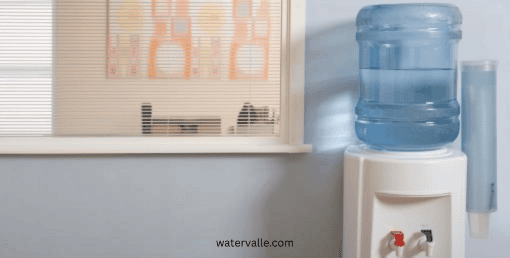
Top-loaders have the bottle with the top turned upside down, a common design for bottled water dispensers. Water is pulled down by gravity to an internal reservoir; there is no motor, not even a pump, to malfunction mechanically, beyond the cooling and heating elements.
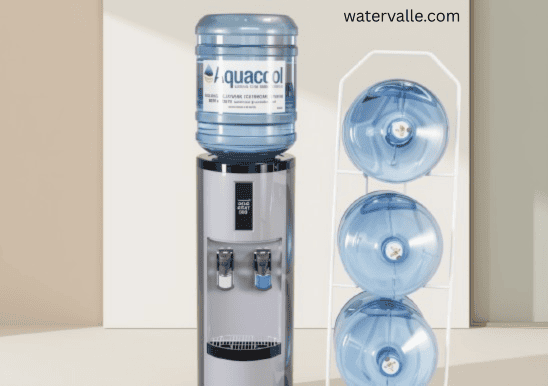
Bottom-loaders ensure that the bottle of the bottled water dispenser is kept inside the base cabinet. A pump, either electric or hand-primed, pulls water upwards to fill the reservoir. This is why bottom-loaders cost more money: you’re paying for the pump’s design and mechanism, as well as the less invasive and no-lift style it allows.
In the reservoir, the water is split into two or three faucets:
- Cold tap: cooled by either a tiny compressor (faster and quieter, more efficient) or by a thermoelectric sheet (quieter but slower to recover fully following heavy usage)
- Hot tap: heating to close-to-boiling within an enclosed tank. It is almost always in a child-safety lock or lever lock mechanism.
- Ambient tap (some models): room-temperature water that does away with heating and cooling.
Compressor vs Thermoelectric Cooling
In addition to the load system, the cooling system of the bottled water dispenser affects how it functions under actual daily usage, and not just as described in a specifications sheet.
The compressor-cooled models function in the same way as a mini refrigerator; the refrigerant cycle draws heat from the reservoir. They are more efficient after a few cups are filled back-to-back; that is important in an office location, but they’re slightly louder and generally will cost more up front.
Thermoelectric devices make use of a solid-state plate (a Peltier element) to chill water, with no moving components and hardly any sound. It is a trade-off: to speed up recovery, when used for a long time, thermoelectric bottled water dispensers can take longer to get the reservoir fully cold.
In a home with little or no spread-out use, generally, thermoelectric cooling is smooth and silent. In the office, or in any environment that has a lot of intense demands, compressor cooling will hold up better for a bottled water dispenser.
Top-Load vs Bottom-Load: Decision For The Bottled Water Dispenser
It’s the biggest buy-in process. It all comes to one simple question: which one is taking the bottle?
5-gallon bottles weigh approximately 40 to 42 lbs. Top-load units need to raise the weight to shoulder height each time you change bottles- something that is manageable for some but an issue for many, particularly those with back problems or in offices in which multiple employees are responsible for the lifting.
Top-load is available when:
- Priority is budget. ($60-$150 is typical)
- A bottle of wine that’s full isn’t an issue for physical health.
- There’s nothing wrong with an apparent bottle wobble on refill.
Bottom-load is selected if:
- The importance of avoiding overhead lifting is greater than saving money.
- If you’re looking for a clean and tidy look, then go and keep the bottle out of the way
- It’s ok to pay $150-$350 to get the pump mechanism
There is no difference in the quality of the water between them. This choice is purely about price and ergonomics rather than quality.
Countertop vs Freestanding
The size and position of the load is just as important as the mechanism of load.
Countertop-dispensers utilize smaller 1-3 gallon bottles that can be placed on top of a counter. These are the best option for RVs, dorms, boats, or any area in which floor space isn’t readily available. You can expect to replace bottles frequently in exchange for occupying less space.
Dispensers that stand on their own are typically 5-gallon floor units found in the majority of offices and houses. They require a dedicated space close to outlets; however, they will require shorter bottle refills, an advantage in environments with higher traffic like the breakroom.
| Feature | Top-Load | Bottom-Load |
| Typical price | $60–$150 | $150–$350 |
| Lifting required | Yes, overhead | No |
| Mechanism | Gravity-fed | Pump-fed |
| Maintenance point | Minimal | Pump can wear out |
| Best for | Budget buyers | Anyone avoiding heavy lifting |
What It Actually Costs to Run ?
The price of the unit is just part of the factor. Costs for ongoing use (bottle delivery or refills, as well as power) are the area that makes bottled water dispensers different from the tap systems that are filtered.
The typical 5-gallon bottle costs around $6 to $12 with a delivery company, which may include a cost for service and a plastic bottle security deposit that is refundable (Source: Industry-wide Price Surveys 2025-2026). The refills you buy from the store are usually lower per bottle; however, they will have to be carried by yourself.
In the case of a household that uses up to three bottles each month, it’s about $15 to $35 per month prior to electricity — a regular expense that a single filter installation does not carry.
The draw of electricity is minimal; however, it is not completely so. Hot and cold units typically draw about 80 to 100 watts of active cooling or heating; this is evident when you have an office that runs several appliances at all times rather than the kitchen of a single household for a bottled water dispenser.
Hygiene and Maintenance For Bottled Water Dispenser
It’s the area that most purchasing guides overlook for bottled water dispensers, which is, in fact, one of the most vital. The reservoir in the interior, tap nozzles, and the drip tray are all areas where you can find bacteria and molds if not checked.
A decent maintenance routine for a bottled water dispenser appears to be:
- Clean the reservoir inside every 3 to 6 months by using a sanitizing product that is safe for food. Never bleach unless the manufacturer specifically approves of it.
- Clean the neck of your bottle and the cap on the bottled water dispenser each time you change a bottle.
- Replace or clean the drip tray every week to keep the water in the drip tray from forming the possibility of a mold issue.
- For bottom-load units, inspect the tubing of your pump regularly to check for the buildup of scale.
The slowing or weakening of the hot-tap circulation for a bottled water dispenser is typically an early indicator of internal scale accumulation. It’s a problem that should be addressed earlier rather than waiting for it to break completely. Be sure to keep the unit away from bright sunlight too. Clear-bottled water dispenser systems that are left in a sunny location tend to be more susceptible to the growth of algae than individuals think.
While shopping, search for products that clearly refer to food-grade BPA-free products in addition to ensuring UL electrical certificates on cooling and heating components. The NSF/ANSI reference is more frequent in dispensers than in filtration items themselves. However, should a maker mention these references, it’s an appropriate indicator of accountability in manufacturing instead of a commercial statement.
Dispenser vs Filtered Alternatives
It’s worth a moment to consider comparing bottles with the tap that is filtered, because they both address similar issues using very different methods.
| Option | Upfront Cost | Ongoing Cost | Plumbing Needed |
| Bottled water dispenser | Low–Medium | Medium–High | No |
| Under-sink filter | Medium–High | Low | Yes |
| Refrigerator water filter | Included in fridge | Low | Yes (existing line) |
| Countertop filter pitcher | Low | Low | No |
The bottled water dispenser is flexible with no setup; the landlord’s approval is not required. Filtration systems tend to be the winner in long-term cost when deliveries add up over a year or two. The best option depends on how you are able to modify the plumbing in your home and what you would value more than having no bottled deliveries.
Setting One Up for the First Time
The new model typically requires some time to rest prior to the first time it is used. The majority of manufacturers recommend setting it upright for several hours following the unboxing process, particularly if it was delivered on its back, to ensure that any coolant within gets settled before power is applied.
The initial bottle swap is a good idea to do gradually. Air pockets may form inside the reservoir after the initial filling, and sometimes appear in the form of a sputter or weak stream coming from the cold faucet. This usually disappears after an hour and isn’t necessarily an indication of a malfunctioning device. Also, it’s worth running the hot tap several times before you rely on it. The heating element requires at least a couple of cycles to get it at its maximum temperature, and the initial draw is typically low-temperature.
Warranty and What to Check Before Buying
There are a few variations in the warranty coverage than many buyers anticipate. Top-load models that are budget-friendly usually have an initial one-year warranty for the cooling and heating parts, as well as higher-end bottom-load models often extend the warranty to 2 or 3 years depending on the pump’s mechanism. This is in line with the cost.
There are a few things that you should be making sure to check prior to your purchase:
- If the warranty covers the pumps on models with bottom load, because that’s what’s most likely to require repair
- What replacement components (drip tray, spigots, safety locks) can be purchased separately once the warranty period has expired.
- The manufacturer is required to publish the wattage, given it varies between brands more than most specifications sheets would suggest.
- Customer support may be reached via phone or email, in the event that setup is not working.
It’s not mentioned in the typical image of the product or the price of the main page, but it is more important when the device has been in operation for about a year as compared to what the specification sheet was on the first day of its existence.
- Verify that you have countertop or floor space prior to selecting a countertop or freestanding
- Choose top-load or bottom-load depending on who’s doing the lifting
- Verify whether the temperature-controlled (room-temperature) tap is important to your usage
- Price out local bottle delivery before locking in a bottle size
- Check to see if the child safety lock is installed if you have children at home
- Make sure the reservoir is disassembled in order to wash it before purchasing and not later.
- Compute a year’s worth of costs for bottles, including the sticker cost, prior to comparing different models.
A Simple Buying Checklist For Bottled Water Dispenser
- Verify that you have space for the counter or floor prior to making the decision for a bottled water dispenser to go with a countertop vs a freestanding.
- Determine top-load and bottom-load, based on the person who is actually performing the lifting
- Verify whether the Ambient (room-temperature) tap is important to your usage
- Price out local bottle delivery before locking in a bottle size
- Verify that there is a child safety lock if children are present at home
- Make sure the reservoir is dismantled in order to wash it before purchasing, but not until after
- Take a year’s cost of bottles, including the sticker cost, prior to comparing the different models of bottled water dispenser.
These information are gathered from different surveys, medical tests and tech giants like google, Techradar and more. Our top priority is to provide you valuable information.
For More Details About Different Water Appliances, Click Here
FAQs
- What is the recommended frequency to replace the bottles on the water dispenser?
It depends on family size. However, the average family of four consumes a 5-gallon water bottle within a period of one to two weeks, based on normal drinking and cooking for bottled water dispenser.
2. Are bottled water dispensers actually safe?
Yes, as you clean them at a set time. There’s a real risk to hygiene that’s not the design of the bottled water dispenser itself; the problem is a poorly maintained drip tray that’s been left in a state of neglect for a long time.
3. Do bottled water dispensers require lots of energy?
Not really. An average hot and cold water dispenser draws about the same amount of power as a smaller kitchen appliance, while the hot tap requires more than cold-only operations.
4. What if I connected a water dispenser straight to the tap instead of having bottles?
Standard dispensers are made to hold pre-filled bottles, but not directly connected to the tap. There are some hybrid dispenser-filter combinations connected to water lines; however, they’re a separate type of product with distinct needs for plumbing.
5. What is the length of time the typical drinking water fountain lasts?
Most units run between 5 and 10 years, with regular maintenance. Models that have a compressor cooling system tend to last longer than thermoelectric models, because the compressor mechanism can handle long-term usage better.
6. Which is more appropriate for offices?
Bottom-load is generally preferred for spaces that are shared, as it eliminates the repetitive weight lifting that multiple employees might otherwise be required to perform, as well as looking cleaner when there is no bottle sitting over the top.
7. What can I do to determine what is safe to use with children?
Check for a child safety lock, lever-lock, or security device prior to buying- most new models come with the latter; however, it’s worthwhile verifying rather than making assumptions for older models or those with budget prices.
8. What is the reason my bottled water dispenser is leaking from its base?
This is usually an overflow from the drip tray or a leaky seal in the bottle and not a mechanical problem. Make sure to check the tray first and then make sure the bottle sits properly before you assume that something is damaged.
Conclusion
Bottled water dispensers earn their price when the convenience of it and the lack of plumbing flexibility are more important than cost over the long run, such as office buildings, apartments, and families who already purchase bottles of water. What’s important is the top-load versus bottom-load, which is largely all to whoever is carrying the bottles.