The content is written by Human, Not AI. Learn More
What Is an Inline Water Filter?
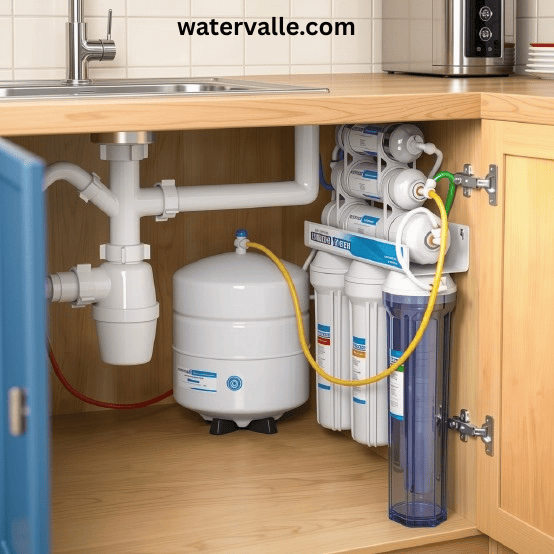
An inline water filter is a filter that is located inside the water line. It’s not a sink-side container or an extra faucet. It’s just a tiny device that connects to the pipe that provides water to your refrigerator or ice maker tap in your RV, or the drinking line.
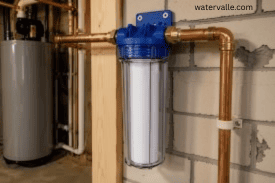
The water is pumped through the inline water filter as it moves to where it’s headed. As it passes through the inline water filter (usually made up of activated carbon), it captures chlorine’s taste, smell, and tiny pieces of sediment before the water goes into your drink or your frozen tray.
This is the primary reason why people choose Inline water filters rather than more costly options. It’s small, affordable, and most of the time it doesn’t need an electrician to install it.
How Does It Actually Work?
The concept of the inline water filters isn’t easy to grasp. However, it’s important to understand the basics before buying one.
It’s filtered, and the next step, depending on the filter, is that it goes through various phases:
- The sediment stage: It is an area that captures more substantial things, like dust and sand.
- Carbon stage: This is the main component. Carbon absorbs chlorine, which is the “pool water” smell, along with other elements that make tap water taste unpleasant.
- Fine Stage (sometimes): Some filters have an additional layer that can be used to capture small things like parasites (Giardia is among the most prevalent that individuals are concerned about).
Since all the water that goes through the inline water filter needs to pass through the process and remain for quite a while, the duration of that process will be determined by the amount of drinking water and the quality of the water you drink at the start. If you consume a large amount of water, or your tap water is not as good, or you have a septic system, you’ll have to change the water more quickly.
What Types Are There?
There are a variety of inline water filter designed specifically to serve this function. We’ll go over the fundamentals to ensure that you do not purchase the wrong one:
| Type | Best For | Filters Out (Micron Size) | How Long It Lasts |
|---|---|---|---|
| Fridge/Ice Maker Filter | Fridges, ice makers | 0.5–5 microns | About 6 months, or 300–750 gallons |
| RV/Outdoor Filter | RVs, campers, boats | 0.5–20 microns | 3–6 months, often just one season |
| Under-Sink Cartridge | Drinking water at the tap | 0.5–5 microns | 6–12 months |
| Whole-Home Sediment Filter | Sediment for the whole house | 5–50 microns | 2–3 months |
| Garden Hose Filter | Outdoor taps, filling RVs | 20–50 microns | 3–6 months |
| Bigger Carbon Block Filter | Homes or small offices with heavier use | 0.5–1 micron | About a year, or 1,000+ gallons |
Larger Carbon Block Filter for smaller homes, offices, or buildings that are used more frequently: 0.5-1 micron; a year’s consumption exceeds 1,000 Gallons . It is important to understand that RV and outdoor “hydration” type filters are different from the ones used in kitchens. A lot of backpacking filters specifically designed for use outdoors are tested against an entirely distinct standard (called NSF P231) because they are designed to combat microbes that live in the water bodies of lakes and streams.
This is an entirely distinct task from just creating drinking water that is more pleasant. So, if you’re trying to remove pure water from your natural world, you shouldn’t be using an ordinary refrigerator inline water filter because it’s not built specifically for such a task.
How Does It Compare to Other Filters?
A lot of people are confused when trying to compare this with sub-sink or whole-house solutions. Actually, neither one is considered “the best” everything depends upon the needs you’ve got. All it boils down to is the specific cartridge you use inline water filter , and what it’s authorized to get rid of in addition to what’s in your house.
The easiest word to use is
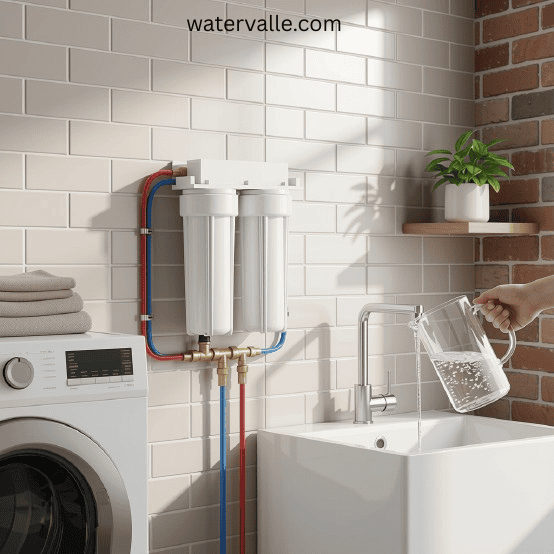
- The filtering system is intended for one specific thing (a refrigerator or a tap). It’s inexpensive and simple to put up and doesn’t last as long.
- A filter under the sink will clean the faucet in your kitchen. It usually lasts longer, but it’ll require some room inside the cabinet and will require more setup.
- The system in the whole house filters all water that enters your home. It’s ideal in the case that your home has bad water quality. However, it’s more costly and needs the expertise of an expert to set the system up.
If you are in a rented house, or in a small area, or have to deal with a specific issue, for example, refrigerator water, or water that tastes like an outdoor swimming pool, it’s generally the most effective option. A lot of renters choose this method because there is no need for any equipment, you don’t have to make holes, and you are able to remove it in the future without leaving impressions.
As compared with reverse osmosis (RO) systems, there is a major difference in the amount of contaminants that RO filters can handle. RO can handle various things, including arsenic, nitrates, as well as dissolved minerals. It takes up much more space, wastes water, and is priced slightly higher. The type of inline water filter is designed for small jobs and can take care of the smell, taste, and very small quantities of particles. There’s nothing more to it than this.
Who Actually Needs One?
The format makes the most sense if it comes to:
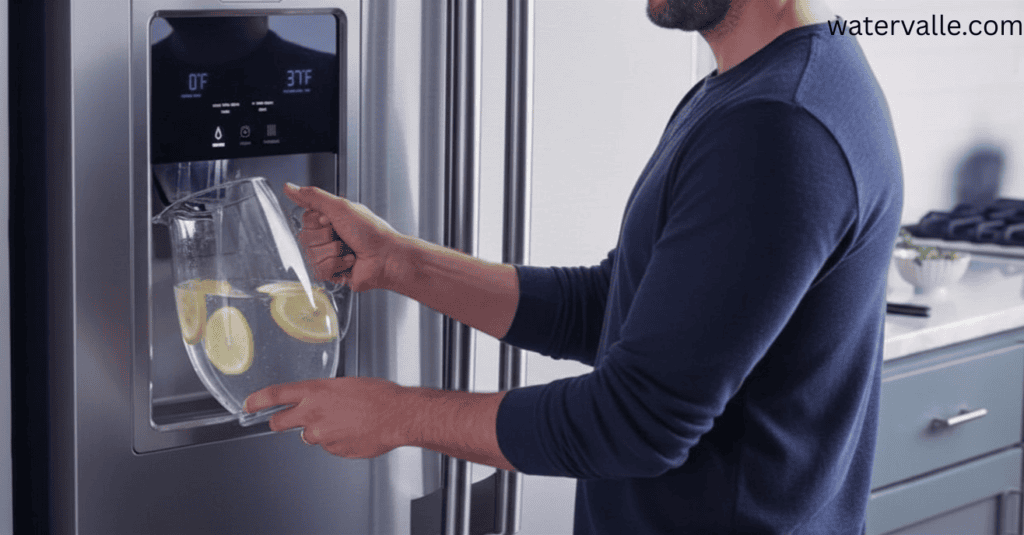
- Every fridge lit up with “replace filter” or “replace filter” light, or creating clouds of frozen.
- The owners of boats and RVs are filling up their tanks of water with water from the campground, or taps that aren’t present.
- Renters who want to have better quality of water without destroying the plumbing
- For smaller businesses, you can think of break rooms, coffee shops at offices – looking to secure an espresso machine or an ice maker.
- Anyone who observes an unusual smell or flavor from a certain faucet, but not from all faucets
If you’re experiencing issues with just a single appliance or faucet, then the best solution is to address the problem. If you’re facing issues throughout your house, like hard water everywhere, there’s a high chance that you’ll require something more substantial that could include a filter system that covers the entire home or a water softener.
When Should You Install or Replace One?
The most ideal moment to purchase inline water filter is when you are installing an entirely new refrigerator or connecting to an RV, or when you discover the smell of rotten food or a taste emanating from a particular faucet.
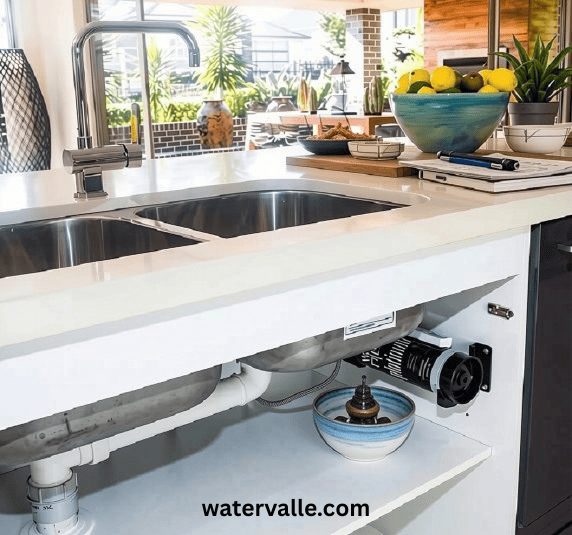
This is a more personal decision to make based on your own judgment. Some brands advise changing it out every six to twelve months. It’s a matter of how frequently you utilize it, as well as the roughness of the water you drink. If your water is contaminated with Chlorine or sediment, it’s most likely to need replacing before it gets too old.
The perfect moment to upgrade your system:
- The water flow has decreased noticeably when compared with before.
- The chlorine smell and taste are now back
- It seems cloudy or may be a bit off-color
- Ice cubes are located in small, hollow spaces, or can have an odd taste
- It’s been empty with the water that’s still there for a few months
This last aspect can catch most people by surprise. If a inline water filter has been immersed in water for an extended period of time (like the one by RVs during winter seasons), the filter could begin to develop some bacteria. It can then begin to appear stale, even though you’ve never used the inline water filter. If you’ve had your car in storage for a long time and you’re not sure, it’s best that you replace your inline water filter (or at the minimum, flush it) before traveling instead of thinking it’s operating.
How Do You Install Inline Water Filter?
It’s among the rare plumbing projects that a regular homeowner can complete in just half an hour. How to accomplish it follows:
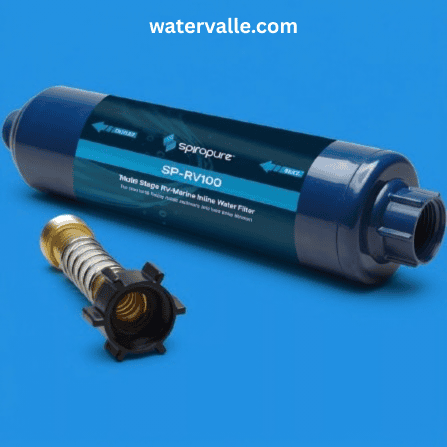
- Turn off the water supply line to the pipe. This could be the valve that shuts off your fridge, or perhaps the valve in your RV, or perhaps the valve in the bathroom or kitchen sink.
- The tension is relieved by turning off the water or the dispenser for a short time. Cut the tubing exactly the way you want the filter to be.
- Tools for cutting tubing can make it much easier. However, cutting tools can be utilized as a last resort to make tubing soft.
- Locate the Arrow inside the filter. The Arrow shows in which direction the water will flow.
- If the reverse is done, the system will stop functioning properly.
- The tube should be inserted into the filter. The typical procedure is to insert the tubing into place and press. If the fittings are compressed, ensure that you fix them by hand. After that, you are able to rotate them with an adjustable wrench.
- After that, you can mount it using a bracket, in the event you were provided with one. The item should be protected from direct scorching heat.
- The water should be switched back to a constant rate, and you should also examine the two ends in case of drips.
- It’s advised that you run a little liquid through your cartridge (a gallon or two ) before actually utilising it in order that you are able to flush out the carbon dust which has built up within the cartridge.
Most people are able to complete the task in 15 to 30 minutes. This is especially the case with push-fit connectors of quarter-inch size that are found on refrigerators and lines for making ice.
What Does Inline Water Filter Costs?
Prices for inline water filter vary based on the type of item and the brand; this is an indication of the price you could anticipate to spend:
| Type | Price | Cost Per Year (with replacements) |
|---|---|---|
| Basic generic fridge filter | $10–$25 | $20–$50 |
| Branded/official fridge filter | $30–$60 | $60–$120 |
| RV or outdoor filter | $15–$35 | $30–$70 |
| Bigger carbon block filter | $25–$70 | $25–$70 |
| Hiring someone to install it | $50–$150, one time | — |
(These are used as estimations, prices can differ based on the company of the item purchased as well as the store where it was purchased, as well as the area you reside in. )
If you’re looking at this as a contrast to an under-sink setup, this option costs less in the beginning for inline water filter. It is true that the under-sink model lasts longer; however, your annual cost is more than you imagine. It’s a matter of spending less money today or replacing items more often.
What Certifications Should You Look For?
There are a variety of products in the marketplace that can be backed by the promises from their makers for inline water filter. Before buying a inline water filter, ensure you verify these things:
- NSF/ANSI 42 provides an attempt to disguise the smell and taste of certain substances, like chlorine
- NSF/ANSI53 refers to health-related items that are actually present, like cysts and lead, which are particular to specific types of
- NSF/ANSI401 is an upcoming concern that covers the traces of pesticides or medicines.
- The WQA Gold Seal is an official seal that confirms that the product was assessed.
- NSF P231: This is for handheld filters which are tested for bacterial contamination in outdoor settings. It isn’t a standard filter for kitchen use.
If the description of the inline water filter includes exactly the same numbers as the ones above, it’s tested against the real thing. If it states the product “removes 99% of stuff” but does not include any numbers, the product is just marketing, not evidence.
Mistakes People Make
This basic thing may be destroyed a inline water filter in a variety of specific ways.
- The cartridge needs to be turned in the reverse direction without paying attention to an Arrow.
- Utilizing the standard filter of a hot line and not confirming that it’s able to handle the temperature
- If you don’t flush your glasses, they contain carbon dust inside the glasses.
- Let it continue to run past the date the HTML0 was supposed to change.
- It is possible to buy this “fits everything” cartridge without being sure that it’s approved.
- Beware of lower pressure in your water. It’s often the first indicator that something’s blocking.
A Few Tips to Make It Last Longer
Small changes can help you save money for inline water filter in the long run, as well as headaches down the road. Be sure to keep your eye on the amount of the food you’re taking in, and not taking a guess based on your schedule. If you and your family consume a lot of beverages or ice straight out of dispensers, then it could be time to change your filter before the “6 months” sticker suggests.
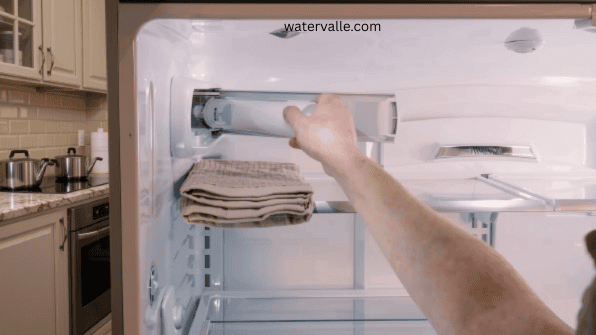
Conserve spare cartridges in a dry, cool location. If you keep one in a hot garage for longer than one year prior to the date you will use it, carbon contained in the cartridge could start to lose effectiveness before you put it inside. If you’re the owner of an RV or another seasonal installation, think about making changes to the filter routine element of your routine for the season. It’s a matter of minutes, and it’s better than discovering the problem is present even when you’re already in your parking spot and need an immediate fix.
If your water becomes dirty or soiled with particles, specifically in the well using an ordinary carbon filter as well as an inexpensive sediment pre-filter can ensure that your primary filter retains its worth for a longer duration.
What If This Isn’t Right for You?
If the answer doesn’t perfectly meet the specifications that you’re looking for, there are alternative solutions for inline water filter:
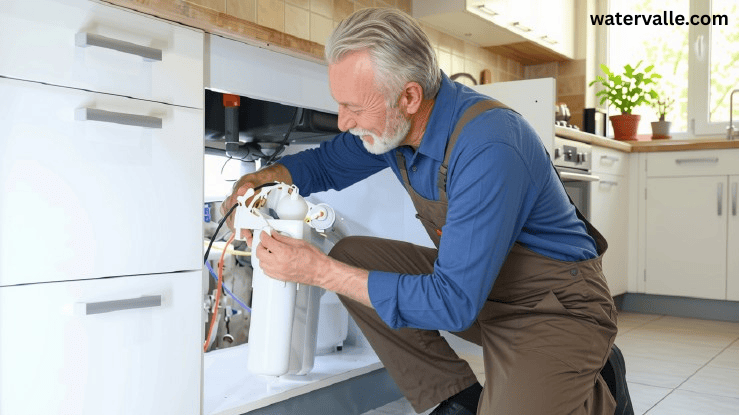
- Pitcher filters are the least expensive, have no installation, but they are slow and can not maintain water temperature over a long period of time.
- Faucet-mounted filters: They are simple to set up; they can filter far more liquids than pitchers. However, it can only be used with one faucet.
- The reverse Osmosis system is able to handle many more contaminants; However, they are more expensive and takes up more space under your kitchen sink.
- Systems that cover your entire home. This is a change that is required in the event that the entire structure of your home is experiencing water problems, and it’s not a single faucet.
Most single-tap problems are the easiest and cheapest way to start for inline water filter.
For More Information:
These information are gathered from different surveys, medical tests and tech giants like google, Techradar and more. Our top priority is to provide you valuable information.
For More Details About Different Water Appliances, Click Here
FAQs For Inline Water Filter
1. What does a inline water filters filter out?
It’s likely to remove the chlorine taste and scent, as well as some suspended particles. If it’s certified in accordance with the standards of NSF/ANSI 53, it may be able to address specific ailments, for instance, specific parasites.
2. What is the best time to replace inline water filter?
The most likely time is between 6 and 12 months. It can vary based on the amount of water you are drinking or if the quality of your water is not excellent. The time span for refrigerator filters varies between 300 and 750 Gallons.
3. Can I incorporate this to my own personal taste?
Yes, most times. Connectors are pushed into place. No soldering is required, and no specific device is needed. Estimates suggest that the typical time spans between 15 and 30 minutes.
4. What happens when the inline water filter lowers the water’s pressure?
The amount is small, but even more so if the inline water filter is filled with sediment over time. A regular change of the filter will keep the flow in check.
5. What is the distinction between this one and an all-house water filter?
The filter can only be used with one device, as well as the faucet. The whole-house filter is able to cleanse each and every drop that flows into the house.
6. Do you think it is acceptable to keep one in the RV?
Yes, they can be. These, specifically made to be used in RVs, are designed to connect to garden water hoses. These hoses can be used to refill the faucet with water when camping in a location that’s not of excellent quality.
7. Are you confident that it’s worth spending the cash to fix the issue of smell and flavor or to resolve a sediment issue within a specific zone?
It is an excellent idea since it’s inexpensive and simple to put in. However, it won’t be able to address water issues or any other problems in the home.
8. How do I determine which cartridge is right for my refrigerator?
Find the part code of the cartridge currently in use and then look it up in the user’s manual for your refrigerator. Most replacement cartridges will list the models of refrigerators they’re compatible with.
Conclusion For Inline Water Filter
Inline water filters aren’t designed to solve every issue that you might encounter with your home water supply, and that’s why they’re an excellent idea. It’s created with one purpose: to make the water coming from the particular refrigerator, faucet, or the RV line taste and smell more appealing, while also providing the cost and convenience associated with the larger filter.
Pick the correct type of filter for the component you want to remove. Find a valid certificate number instead of relying on the claims of the company that made it. Be sure to replace it when it is time, rather than waiting to see the flavour of your food disappear. If you follow these guidelines, the food will continue to work over time, without having to consider the problem.