This Content is written by Human, not AI robot. Learn More
Selecting a high efficiency electric water heater can be one of the most overlooked improvements that a homeowner can consider due to the fact that “efficient” gets used loosely both by retailers and manufacturers. There are many different models with efficiency ratings that perform in the same manner, and the distinctions are evident in the electricity bills for the upcoming 10-20 years.
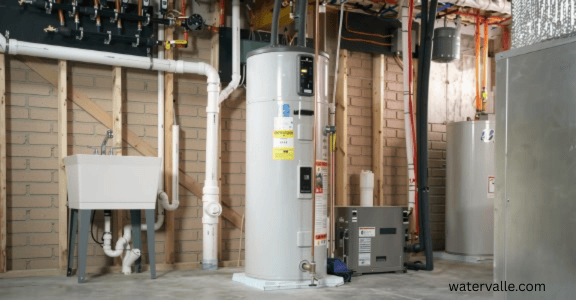
In general, a high efficiency electric water heater is classified into one of two types, one of which is the upgraded electronic resistance tank or the heating water heater, sometimes referred to as a hybrid high efficiency electric water heater. Both operate on electricity, but they create hot water in distinct methods, and this distinction is what differentiates an efficiency boost of a small amount from one that is truly transformative.
Knowing that you must split your water heater prior to shopping is the most important element to get the most benefit from a high efficiency electric water heater instead of paying to buy a brand without understanding exactly what’s at the root of the price.
What Makes a“ High Efficiency” Electric Water Heater
The most widely used measurement in the industry is called Uniform Energy Factor, or UEF. This is the Department of Energy’s standard rating of how much energy that goes into the unit can be converted into usable hot water, including standing-by losses, cycling behaviour, and patterns of daily use, as opposed to a one-time lab photograph.
An electronic resistance tank usually rates between 0.90 and 0.95 UEF. A more modern, well-insulated resistance tank could push towards 0.95; this is an impressive, but not huge, increase. The water heater that is a heat pump generally ranges between 3.0 and 4.1 UEF since it isn’t able to produce heat directly; it simply transfers existing heat out of the air surrounding the tank. It works on the same principle that is used in an inverted refrigerator.
The distinction between the two is greater than what most guides to buying suggest. A high efficiency electric water heater based on resistance technology will be limited by the physical process of directly converting electricity into heat with a 1:1 ratio. The heat pump-based high efficiency electric water heater doesn’t have to be limited by this ceiling. This is the reason the numbers for efficiency are different from the others.
The Heat Pump and Resistance for a Side-by-Side Comparison
| Attribute | High Efficiency Resistance Tank | Heat Pump Water Heater |
| Typical UEF | 0.90–0.95 | 3.0–4.1 |
| Typical annual energy cost | $400–$600 | $104–$200 |
| Equipment cost | $500–$1,000 | $1,200–$2,500 |
| Installed cost | $900–$1,800 | $1,600–$3,500 |
| Best install location | Any conditioned space | Garage, basement, utility room with adequate air volume |
| Recovery speed | Fast | Slower in pure heat pump mode, faster in hybrid/boost mode |
| Typical lifespan | 10–15 years | 15–20 years |
| Noise | Minimal | Comparable to a running dehumidifier |
If you’re budget-conscious and your space for installation is limited for high efficiency electric water heater, or you’ll be moving within the next few years, then a resistor-based, high efficiency electric water heater can be the best option. If you’re staying in the same place and you have the space to put in the unit correctly and efficiently, the model with a heat pump generally wins out on the total cost throughout the lifespan of the device.
Real-World Savings, Not Just Lab Numbers
Manufacturers regularly advertise “up to 70% savings” on models with heat pumps. The claim isn’t made up; it is derived from testing a top-of-the-line UEF rating against an ordinary resistance tank under controlled laboratory conditions.
However, in reality, homeowners tend to observe less. When you consider cooler air temperatures within a garage without heating and tighter installation spaces, as well as higher demand for hot water times in the event that the backup resistance begins to work, the savings resulting from a high efficiency electric water heater that is in the form of a heat pump typically fall between 40-65 percent compared with a conventional electric tank.
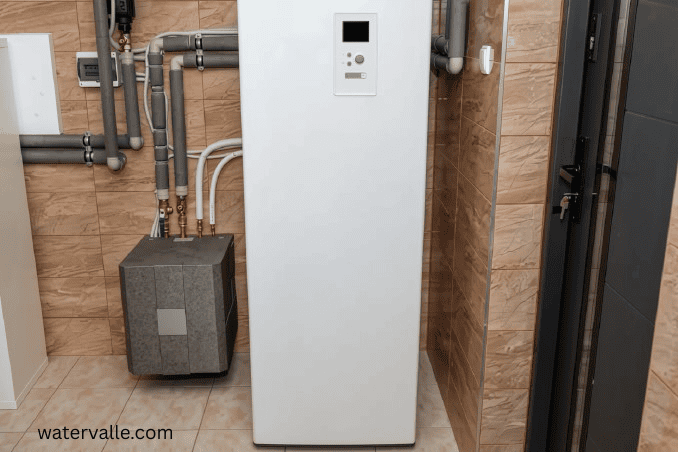
For a typical family of four, paying an average electricity bill for residential use, this translates into around $300 to $580 in savings every year. Operating costs per year of a heat pump typically range from $104 to $200, while they range from $400 to $600 for a conventional resistance tank. In the course of 15 years, this gap could add hundreds of dollars. That’s an argument to invest the extra money upfront to purchase a high-energy, high efficiency electric water heater instead of replacing it like-for-like.
What It Actually Costs to Install
A high efficiency electric water heater is usually simple to switch. Same voltage, same footprint, no venting required. Installation costs typically run from around $1,800 to $900, and many installers finish the task on one visit.
A heat pump water heater is an even bigger undertaking due to three factors. The first is that it requires enough space for air circulation. A majority of companies recommend that a room be as small as possible. room, typically 700 to 1000 cubic feet. It will also ensure that the heater is stocked with ample air for it to draw.
In addition, certain installations need an electrical circuit that is specifically designed, especially when replacing a gas appliance. The third reason is that heat pumps generate condensate like an air conditioner. It calls for a drainage pipe or pump.
The cost of installation for this kind of high efficiency electric water heater usually ranges from $1,600 to $3,500, based on the extent of plumbing and electrical wiring required. A simple illustration: the difference of $2,000 in comparison to a conventional tank is offset by approximately $450 annual savings; payback generally takes between four and five years. This is the possibility of extending it to three to seven years based upon local rates for electricity and the habits of your household with regard to hot water.
Sizing It Correctly
Making the wrong size is one of the top mistakes that people make in any direction. Insufficient size wastes energy to heat water that you’re not making use of. Oversizing can mean running over hot water during the normal peak of your day.
A general basis for starting:
- 1-2 people: 30-40 gallons
- 2-3 people: 40-50 gallons
- 3-4 people: 50 gallons
- Five or more persons 5 or more people: 50 to 80 gallons
The size of the household is just the beginning base. The household that has two showers back-to-back, a dishwasher, and a washing machine at the same time every morning requires greater capacity or a faster recuperation than a headcount by itself suggests. Since heat pump water heaters recuperate more slowly with only heat pump modes, households with high concurrent demands often gain from scaling one tier higher or opting for a model that can boost their performance in a hybrid mode.
Rebates and Incentives: What’s Actually True Right Now
It’s the reason a lot of advice that is published is out of date, so it’s best to stay exact instead of repeating the same old assertions.
The Section 25C federal Energy Efficient Home Improvement Credit that previously provided 30 percent of costs of up to $2,000 on the qualifying heat pump water heater was canceled on the 31st of December in 2025. If the unit was put in place in 2023, 2024, or 2025, then you could use the credit in the tax return that reflects it. In the case of installations that were completed between 2026 and onward, this particular credit is no longer available.
This doesn’t mean that all funding has disappeared. It is what generally stays active.
- Rebate programs for utilities and states. Many of them are still linked to ENERGY S STAR as well as the Consortium for Energy Efficiency (CEE) certification requirements.
- Programs for income-qualified rebates that are available to eligible homeowners. These programs could still offer significant discounts at the point of sale on a heat water heater pump.
- Local utility-specific incentive programs that are shaped differently by the cycle of funding and the region.
When planning a high efficiency electric water heater to get an incentive, be sure to check with the specific provider of your utility and the regional energy office, instead of thinking that the program is still in effect, as it could have ended in the years 2024 or 2025. The availability of incentives now is more heavily dependent on where you live and the program budget rather than just a few years earlier.
Climate and Placement Considerations
The location you place the heat pump water heater alters how it functions. In humid and hot environments, there’s more warmth in the air, and it performs more efficiently than its maximum efficiency. If you live in a basement that is consistently cold, most units are designed to perform efficiently to 40 degrees F; however, it’s more likely to be operating at the lower end of the UEF spectrum, not the highest.
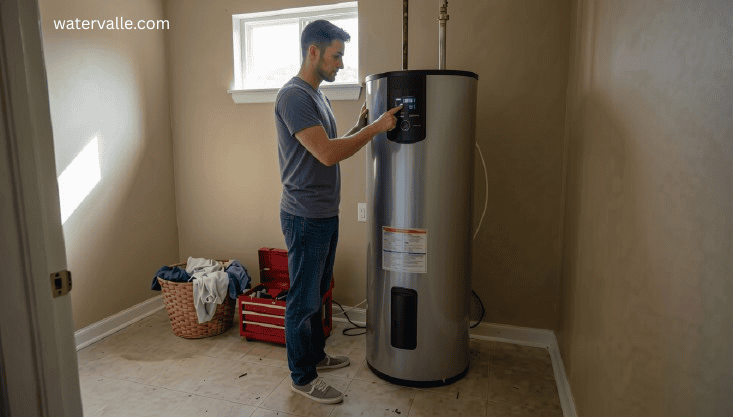
Installation of a high efficiency electric water heater inside an enclosed, small closet with inadequate airflow is among the top problems that customers report. If there isn’t enough airflow to draw upon, this unit will fall back to its backup resistance element frequently, which is a silent way of erasing the energy efficiency you’ve bought.
The sound is a second factor that is often overlooked. Heat pump units run the compressor and fan indefinitely as it heats, generating the sound of an active dehumidifier. It’s not an issue with a garage or basement, but it’s something worthwhile to think about when the location of installation is in proximity to the office or bedroom at your home.
Common Mistakes to Avoid:
Common mistakes to avoid when buying high efficiency electric water heater
- The purchase decision is based on price, taking into account the 10 to 15 years of operating costs.
- The installation of a heat pump water heater inside a sealed space, such as an unsealed closet
- Doing away with the condensate drain system when installing
- If an old tax credit is in effect, without confirming the current rules for 2026.
- Inattention to noise level relative to rooms or walls shared by the two
- Headcount-based sizing instead of peak concurrent demand
Maintenance and Lifespan Of High Efficiency Electric Water Heater
High efficiency electric water heaters require periodic inspections to ensure they are operating at their maximum anticipated life span. Anode rods, an element of sacrificial steel which prevents corrosion of the tank’s interior, are a must-visit at least every couple of years, regardless of type of technology. Heating units can also benefit from periodic cleaning of the air filters near the intake area, as dust build-up can force your compressor to operate more and gradually reduce the effectiveness of the improvements you paid for originally.
With proper maintenance, the typical resistance tank lasts for 10 to 15 years. A water heater that is a heat pump typically lasts between 15 and 20 years. The reason is that it does not rely on resistance components during its normal use.
Who Actually Benefits Most
Every household may not get the same benefit from a high efficiency electric water heater. It is helpful to think in terms of patterns of use rather than only budget.
The largest families that have a high simultaneous demand for hot water typically see the largest cost savings when changing to a heat pump-powered high efficiency electric water heater simply because they’re pumping more Gallons of water per day. Smaller households and holiday homes may see a longer payback time, as there’s less general energy use to compensate for the cost of initial installation for high efficiency electric water heater.
Homeowners who are renting or in short-term leases typically get less benefit from the version with a heat pump of a high efficiency electric water heater because the long-term payback timeframe is based on the assumption that you’ll stay around for long enough to reap savings. For that reason, the well-insulated resistance tank will usually be the most sensible option, even though its efficiency it has is lower.
Environmental Impact Alongside Cost
Efficiency doesn’t just refer to the cost of your monthly bills. A heat pump-powered high efficiency electric water heater uses significantly lower amounts of electricity, which results in a lower carbon footprint throughout the life of the appliance, especially in areas where the electricity grid is still largely dependent on fossil fuels for production. When it comes to weighing sustainability with costs, it’s an important additional benefit to consider in the choice, even if the payback ratio is very close.
Making the Decision For High Efficiency Electric Water Heater
Select a resistance-based high efficiency electric water heater when the space for installation is limited, or your budget is tight in the beginning, or you will not stay in your home for long enough to make an investment of greater value.
Pick a water heater when you have enough space and plan to remain in your home for a minimum of five years, and you want the least expensive operating costs throughout the duration of the unit’s life. In most homes, when replacing an old model and remaining in the same place, a heat pump-high efficiency electric water heater is the most reliable in the long run, despite the federal tax credit being used to sweeten the equation.
This information is gathered from different surveys, medical tests, and tech giants like Google, TechRadar, and more. Our top priority is to provide you with valuable information.
For More Details About Different Water Appliances, Click Here
FAQs For High Efficiency Electric Water Heater
1.Do you believe the heat Pump Water heater would be worth it even if it doesn’t get a tax credit?
In the majority of households, the answer is yes. Despite the expiring federal tax credit, the typical energy savings of 300 to $580 per year typically bring the payback in about four or seven years, based on their on their own.
2. What’s the volume of an electric high-efficiency water heater equipped with an air conditioner?
It’s as loud as the sound of an air conditioner that is running in the vicinity but not evident in the garage, basement, or a utility space for high efficiency electric water heater.
3. What type of High efficiency electric water heater is required to warm water for a family with four members?
A majority of families with four members are able to use the 50-gallon tank. Homes that are prone to frequent usage of hot water each day could be looking at a larger capacity.
4. Can a heat pump water heater be used in cold basements?
Yes, most heaters are built to function effectively down to 40 degrees F, but efficiency varies more towards the lower part in the UEF range for cold environments.
5. How long will a high efficiency electric water heater run for?
Resistance tanks for high efficiency electric water heaters typically last from 10 to 15 years. Heat pump water heaters that use pumps typically last between 15 and 20 years if high efficiency electric water heaters are maintained properly.
6. Does installing a heat pump water heater chill the area it’s placed in?
Yes, slightly because it pulls energy from the air around it -a slight advantage in a warm garage; however, it’s a small drawback when you live in a frigid space.
7. Do you have a rebate for a high efficient electric water heater after 2026?
The federal 25C tax credit ended in 2025 at the time of its expiration. However, several state or utility rebate programs are in place; the availability of rebates will depend on the location you live in and your service for high efficiency electric water heater.
8. Do I have to install the heat pump water heater within a smaller space?
Not without modification. The majority of manufacturers require an air volume of at least 700 to 1,000 cubic yards. This can be achieved by louvered doors in order to let sufficient air in.
9. What is the distinction between “ENERGY STAR” and “high efficiency” on the label of a water heater?
ENERGY STAR is specifically a certification for the achievement of a certain minimum UEF threshold. “High efficiency” is a broad term used in marketing. The most high efficient electric water heater ought to have the ENERGY STAR certificate as confirmation, not just the name on its own.
Conclusion
A high efficient electric water heater doesn’t come as a singular product. It’s an option between a moderately upgraded model of the tank that you’ve come to know, as well as a completely different system of heat pumps that could cut the cost of water heating by up to half. It all comes down to the installation space available and the length of time you intend to remain in your home, and the incentives that actually exist within your region since the federal tax credit has ended.
Take measurements of your area, request several quotes, and size the unit according to your home’s demands, rather than the head count alone. In this way, an energy high efficient electric water heater is a simple investment in the long run and is more cost-effective than a speculative guess.