This content is written by humans, not ai robots. Learn More
Drink a glass of water. Take the time to take a look. Clear. There’s no scent. It’s as… nearly none, in fact. That’s exactly the problem with lead. The lead isn’t announcing its presence. It just sits in the water unnoticed, and your body slowly absorbs it over weeks or years without alerting you.
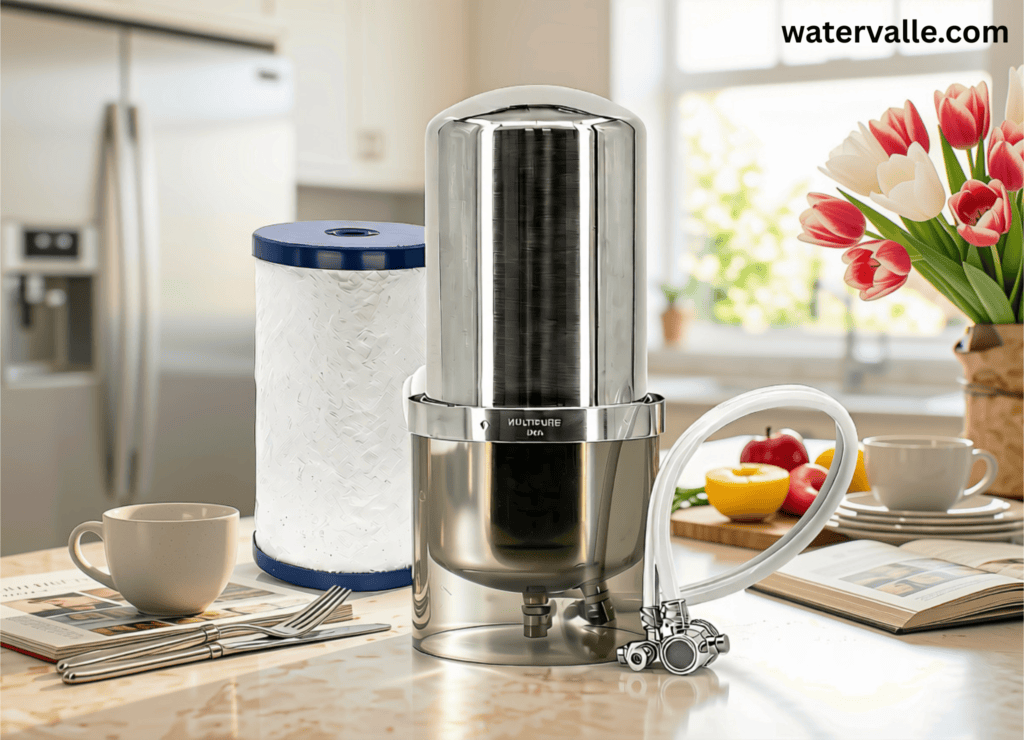
This is the reason Lead Water Filter is more and more popular. This isn’t due to some recent horror or other incident, but because many individuals are pondering the question that is obvious: What’s going on in my water?
This will not become one of those lengthy documents stuffed with chemical terms which you need to Google. I’ll show you exactly how I’d present the issue to a friend at home – in a clear manner and without wasting time.
So Where Does the Lead Actually Come From?
It’s the part that astonishes a lot of people that it’s not water or the reservoirs that are at fault. The reservoirs, the water, and the treatment facilities- most of them are good. The problem is usually closer to their home. Literally.
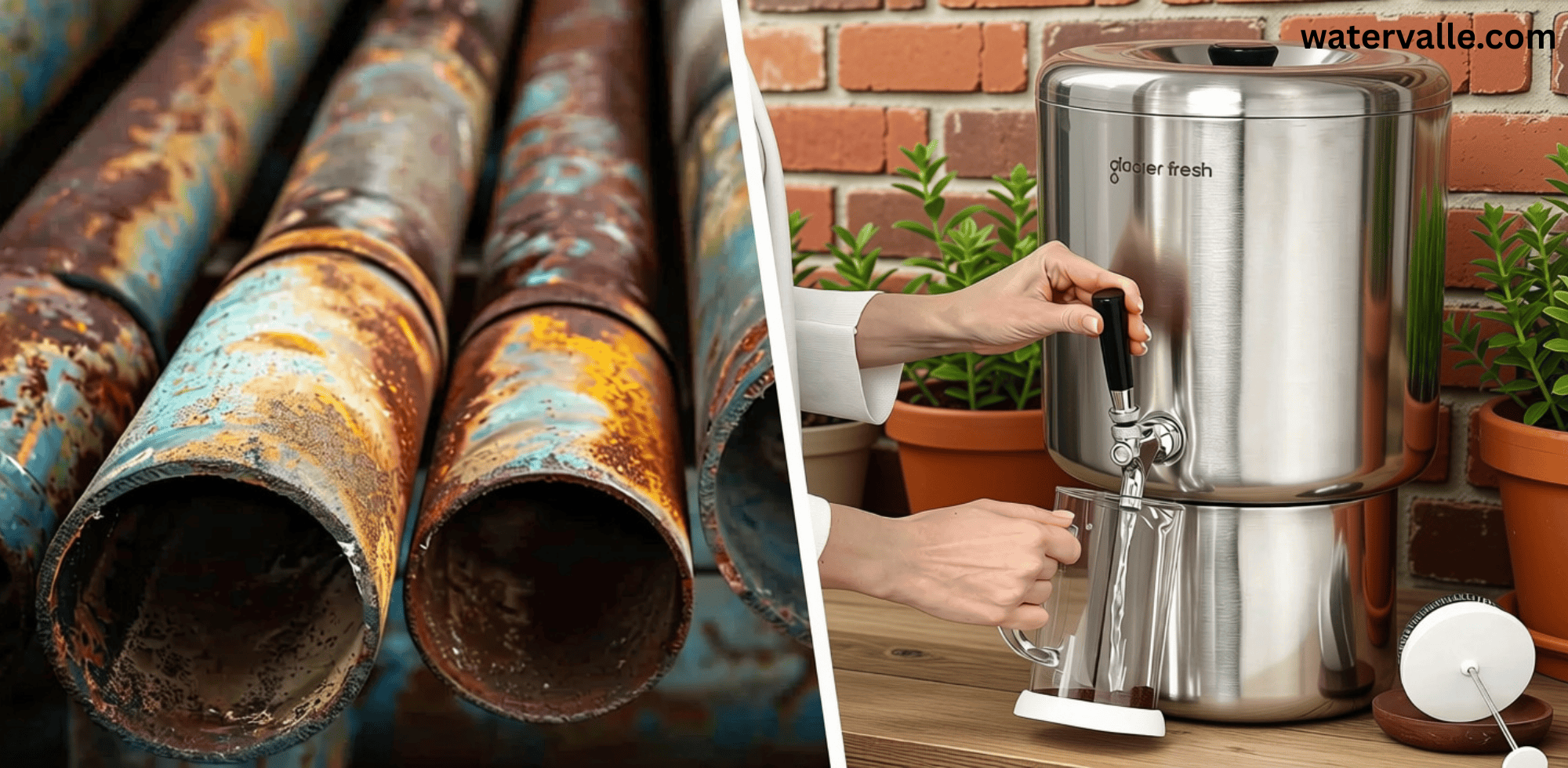
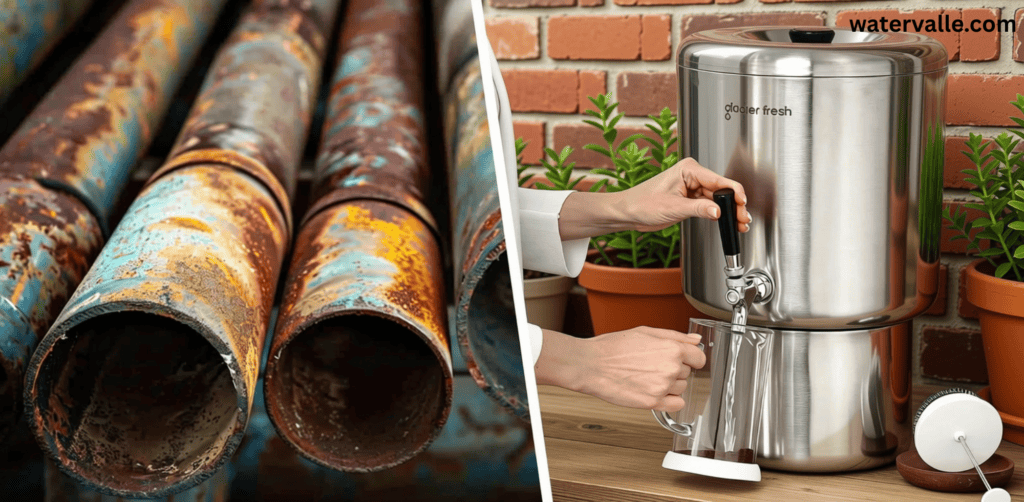
In the past, it was common to construct houses using pipes made of lead or connect pipes with solder made from lead. There was no awareness as it took place. After a few years, the pipes started to degrade, changing color on occasion while slowly dispersing small quantities of lead into the water running through the pipes.
The water may be released from the plant without any trace of contaminants but get contaminated by lead at the end of its journey within the walls of your house. This is precisely the type of gap lead water filters were created to plug. This is the final line of defense prior to the moment when water is actually delivered to the person who needs it. That’s why Lead Water Filter became more crucial for people.
What a Lead Water Filter Is (Without the Sales Pitch)
Take out the ads: lead water filters are actually just a part of the equipment that lies between your pipes and glass. It’s just doing one thing, and that’s to get rid of the lead in your water prior to drinking it.
The issue is that the majority of filtering systems that you can find in stores aren’t designed to tackle this. A lot of them were designed to make drinking water less corrosive and have a fresher scent, but they’re done. They’ve never been tested for lead, and thinking that they’re capable of handlingof handling lead is not an ideal idea.
The Lead Water Filter are based on many methods:
- Carbon block filters are made up of lead if water is pushed across the large piece composed of activated carbon. Consider it like water that is squeezed across a tiny sponge.
- Ion Exchange filters provide a method to exchange lead for something less harmful, for example, sodium.
- Reverse Osmosis Systems force water through membranes that have pores so tiny that lead cannot physically cross through.
Also, it involves distillation, where steam is created from water that is boiling and recycled back into liquid. This leaves the lead. This is a fantastic idea, but is there anyone ever boiling water on a regular basis in order to make coffee? Most people put up an effective water purifier that is made from lead(Lead Water Filter), and let it operate without a fuss about what it is doing.
Why This Actually Matters (It’s Not Overblown)
Major medical institutions have a common belief that there isn’t a single lead quantity that is considered completely risk-free. There’s no “little bit is fine” situation. Even small amounts, over time, add up.
They’re not a threat or instantaneous. That’s why lead is believed to be a danger. Its effects can be seen gradually:
- Development of the child’s brain could be affected, even for the rest of their lives.
- Attention and behavior issues can be common among infants and younger children.
- Adults could develop elevated blood pressure
- Kidneys may suffer damage over time.
- Fertility and health of reproductive organs may be impacted as well.
If you don’t taste, smell, or even feel it, there’s nothing you can do to determine. It’s impossible to “just tell” by drinking the water whether it’s safe or not. The tests are the only valid way to know the truth, and should be performed prior to purchasing any item like Lead Water Filter.
Does Your Home Actually Need Lead Water Filter?
Not every household is at risk of the same risks. It’s therefore important to consider the direction you’re taking for Lead Water Filter.
| Your Situation | Risk Level | What Makes Sense |
| House built before the mid-1980s | High | Test the water, get a certified filter |
| Known lead service line in your area | High | Filter now, ask about pipe replacement |
| Newer home on city water | Lower | A filter is a nice extra, not urgent |
| Well water that’s a bit acidic | Medium | Worth testing |
| Babies, young kids, or a pregnant person in the house | High priority regardless of home age | Filter is a good idea |
| Renting an older apartment | Medium to high | Ask for test records, use a simple filter |
What people don’t realize is that your city’s water treatment facility may be operating properly, but you may still be testing very high for lead since the lead-based contamination took place once the water had left the plant and was absorbed into the plumbing of your home. Also, “my city has great water” does not necessarily translate to “my kitchen sink is fine.”
How Do You Actually Know a Lead Water Filter Works?
The reason for this is that people can get injured. In the US, the certificate that really means the product is NSF/ANSI. If a product has the label and explicitly mentions lead as a contaminant that is reduced, that means that an independent lab has examined it and verified that it is effective, not only that the manufacturer claims it does.
Two labels that sound similar to each other make people’s minds constantly:
- The NSF/ANSI 42 does not cover taste or odor. This has nothing to do with lead.
- NSF/ANSI58 is exclusive to reverse osmosis devices.
Therefore, seeing “NSF” printed somewhere on the package isn’t sufficient. Check to see if lead is present in the specific filter that was analyzed for.
Outside of the US, there are other nations that have equivalents in their countries, such as, for example, the United Kingdom’s Drinking Water Inspectorate, Health Canada, and similar organizations in other countries. The concept is the same across all countries, but the term “confirm lead” is clearly stated, not just implied.
“Safe” Isn’t the Same Number Everywhere
Different countries have their own limits on the amount of lead thought to be acceptable.
| Country or Region | Lead Limit |
| United States | 15 parts per billion |
| European Union | Moving toward 5 micrograms per liter |
| United Kingdom | 10 micrograms per liter |
| Canada | 5 micrograms per liter |
| World Health Organization guidance | 10 micrograms per liter |
A filter that is certified to US standards doesn’t mean it’s acceptable elsewhere especially Lead Water Filter. If you’re not in the US, it’s a good idea to check whether the certification you’re trusting applies in the area where you live.
Comparing Your Actual Options
| Type | Typical Price | Lead Removal | Setup | Good Fit For |
| Pitcher filter | $30–$60 | Good, if certified | None | Renters, small households |
| Faucet-mount filter | $25–$70 | Good | 10–15 minutes, DIY | Quick, single-tap fix |
| Under-sink filter | $100–$300 | Very good | Moderate, or hire a plumber | Whole-kitchen coverage |
| Reverse osmosis | $200–$600 | Excellent | Best with a plumber | Confirmed higher lead levels |
| Whole-house system | $800–$2,500+ | Very good, covers every tap | Licensed plumber required | Known lead service lines |
The cost of a pitcher is low and requires no setup; however, you’ll have to swap out cartridges quite often. Under-sink systems or RO will cost more, but can use much more water and require much less maintenance. A complete home system is the only system that can cover everything, including your shower, washing machine, the whole of it. However, it’s expensive and really requires the help of a pro.
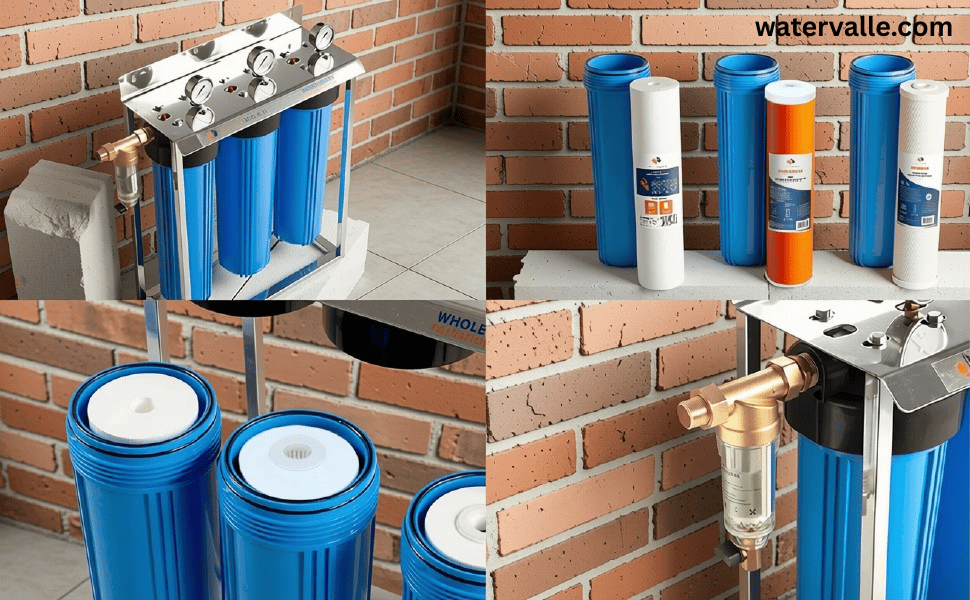
If you’re in the plumbing industry or retail and are guiding customers through this process, this chart is an authentic starting point irrespective of the product you’re selling for Lead Water Filter.
Actually Choosing Lead Water Filter (Without Overthinking It)
Start by testing the quality of your drinking water. Don’t skip this. If you make a mistake, it means that you are either not protecting yourself or spending money on things you did not need.
| Lead Level Found | What Makes Sense |
| Under 5 ppb | Basic pitcher or faucet filter, mostly precautionary |
| 5–15 ppb | Certified faucet or under-sink filter |
| Above 15 ppb | Under-sink RO or a whole-house system |
Consider your family for Lead Water Filter. More people means increased water usage that burns out cartridges quicker — and sometimes, the larger system will pay for the system.
Calculate the actual price of Lead Water Filter. The sticker price is not the only factor. Include one or two years of cartridge replacement before you compare.
Make sure you are honest when installing Lead Water Filter. Renters usually stick to something portable. Homeowners have room to expand their options.
Testing Your Water (It’s Easier Than You’d Think)
- Get a tested kit certified by a lab or find out if your local water company has a free test available.
- Allow the water to sit unattended inside pipes for at least 6 hours before taking the first draw. This “first draw” sample usually will show the most likely quantity.
- The tap should be run for 30-60 seconds, then get another sample to see how it compares.
- Take them into the laboratory according to the lab’s instructions.
- Examine your results in relation to the limit of your country.
- If your water pressure is too high, talk with a specialist in water treatment (and think about both an air filter or having your pipes examined.
Installing Lead Water Filter Yourself (Or Knowing When Not To)
Faucet-mounting: about 10 minutes. Remove the aerator from the faucet and attach the adapter. Fix the filter and flush it out by rinsing it with flowing water prior to drinking the water.
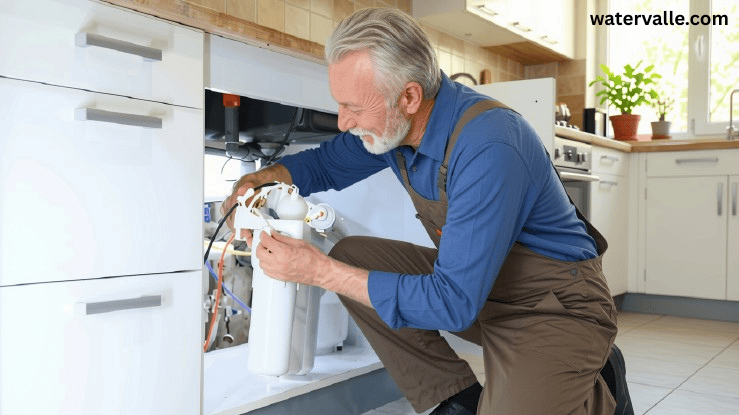
Under-sink. It’s a little more complicated: Switch off the cold water valve. Attach the water filter, place it inside the cabinet, and then run a tiny special tap in the counter to get filtered water.
All-house, contact the plumber: This gets installed on the main line, usually right prior to the water heater. The plumber will check the pressure afterward, and depending on the area your home is located in, you could require a permit before you can install it.
What Lead Water Filter Actually Costs
The prices of Lead Water Filter vary by location; however, the overall shape remains the same all the time:
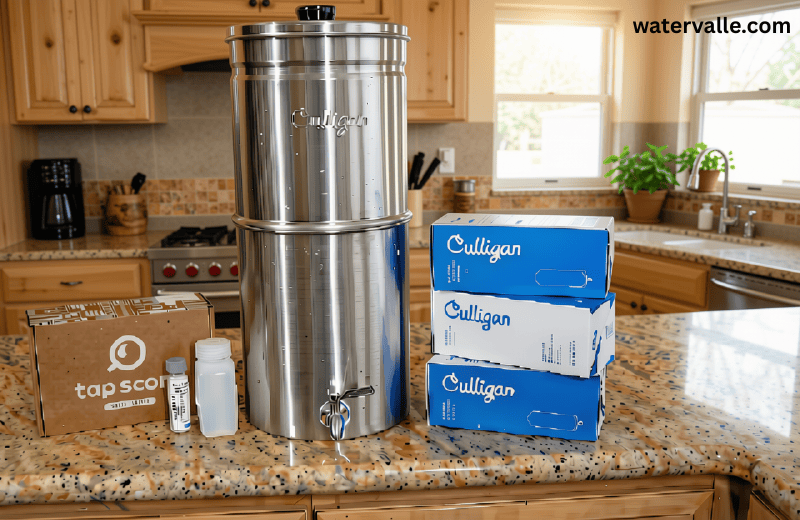
- Filters for faucets and pitchers are inexpensive and simple to get almost everywhere.
- RO and under-sink systems are more, but are affordable for the majority of households.
- The whole-house system is the largest expenditure, and always requires a plumber who is licensed.
The process of testing water is typically affordable, but some companies offer it at no cost — to be sure before choosing an individual lab.
Mistakes Worth Avoiding For Lead Water Filter
- If a filter is labeled “purifying,” it handles lead. Most of the time, it doesn’t.
- The belief that boiling water will solve the issue. This isn’t the case. It may actually enlarge the lead when water evaporates.
- The cartridges are running past their date of replacement, slowly decreasing their effectiveness throughout the process.
- Just testing “flushed” water and skipping the most revealing sample of first-draw.
- Hot tap water is ideal to cook with or for baby formula- the heat draws more lead out from old pipes.
- The installation of a system for the entire house without examining local permit regulations first.
Keeping It Working
| Filter Type | Replace Every |
| Pitcher | 2–3 months |
| Faucet-mount | 3–4 months |
| Under-sink | 6 months |
| Reverse osmosis | 12–24 months |
| Whole-house | 6–12 months |
Calendar reminders are much more beneficial than you believe. The look of a cartridge that has a date worn out could be beautiful; however, it’s not much use.
If You’d Rather Not Filter
- The repair of the pipeline that connects your house will be durable; however, it’s more expensive initially.
- The water bottles are able to be used in case there is a requirement; however, they’re not a long-term solution.
- The removal of tapping prior to applying it may help in a small way; however, it doesn’t fix the root issue.
- The cold, refreshing water you drink and cook with is a good practice and is best with a filtration system. Don’t use the water in place of a Lead Water Filter.
The majority of people find Lead Water Filter that a well-maintained, clean, and verified lead water filter can beat every other option available, in part since it’s the sole thing you’re able to… build and then dispose of.
For More Information:
These information are gathered from different surveys, medical tests and tech giants like google, Techradar and more. Our top priority is to provide you valuable information.
For More Details About Different Water Appliances, Click Here
FAQs For Lead Water Filter:
1.Can boiling water assist in the removal of Lead?
However, it may cause more harm, since certain water evaporates and lead is left more dense.
2. Is there a more effective type of lead filtering?
Reverse osmosis, along with fully accredited entire-house and under-sink systems, offers the most continuous, solid security.
3. A simple pitcher filter to take leads?
Certain types of them could be. It must, however, be identified for what it is. Many of them were created for taste. Be informed before you make a choice.
4. What information do I require to know if your home is flooded with pipelines made of lead?
Check with your water company to obtain the information. Check for pipes with grey piping, which scratch easily. Let a skilled plumber inspect the pipes.
5. How often is it recommended that the cartridge must be replaced?
Every 2 to 3 months for pitcher and faucet filters, or between 6 and 24 months in case of larger systems, depending on the model.
6. Do water from refrigerator filters remove Lead?
If the model is accredited, a majority of them were designed for taste, and not for the removal of heavy metals.
7. Do homes that have modern designs require an extra Lead Water Filter?
It’s not as important, but it’s worth a try if the test reveals any indication of lead, or if the fixtures are older than the property itself.
8. What is an entire home-installation cost?
It varies based on your location. However, it’s most likely to be your most expensive alternative, since it needs an authorized plumber, as well as a complete home.
Conclusion For Lead Water Filter:
The sound of lead being dissolved in water can be a frightening sound and should be taken very seriously. But there’s no reason to fret. It’s a matter that can be resolved if you are aware of the cause and the causes of the issue.
Do a test. Discover what a true certificate looks like instead of basing your endorsement solely on its appearance. Choose a Lead Water Filter for your water that is compatible with the requirements of the water you drink instead of what’s popular. It’s all about being able to check your water before drinking it. Make sure you are aware of how to filter it, always remembering to clean the filter when using Lead Water Filter.